
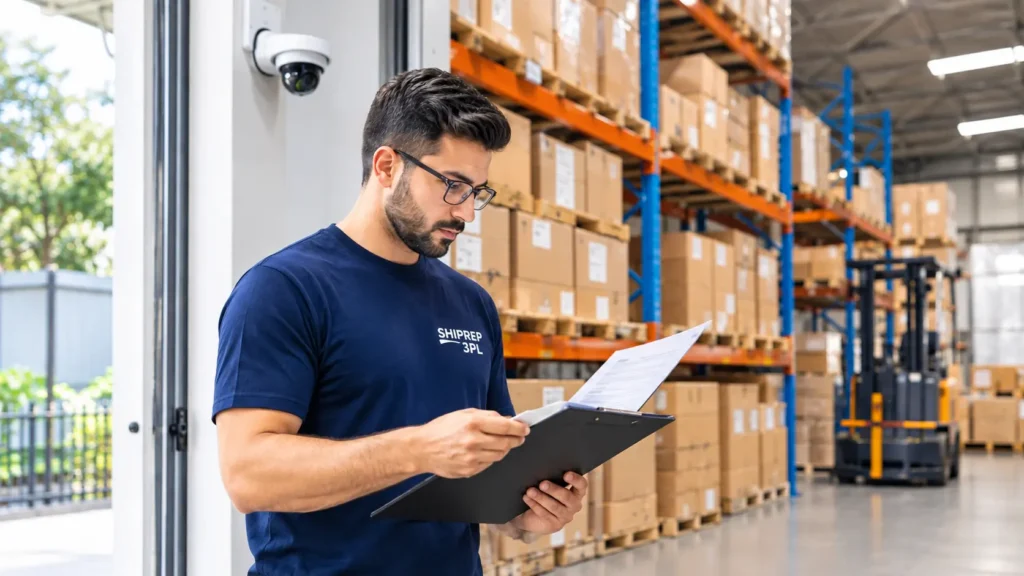
An insured and bonded warehouse carries an insurance policy covering loss or damage to stored goods. It also carries a surety bond protecting against theft, dishonesty, or breach of duty by warehouse employees. This is a different concept from a “customs bonded warehouse,” a term that shows up constantly in search results but means something else entirely. Knowing the difference matters before you ship your inventory anywhere.
Insured and Bonded vs. Customs Bonded: Two Different Things
A customs bonded warehouse is a facility regulated by Customs and Border Protection. Imported goods can sit there without the importer paying duties or taxes, sometimes for up to five years, until the goods actually enter the market. This is a formal regulatory status, not a general trust signal.
An insured and bonded warehouse, in the way most ecommerce sellers use the term, means something simpler and more relevant to day-to-day fulfillment. The facility carries insurance covering your goods, plus a surety bond protecting you if an employee steals from or mishandles your inventory.
Most sellers searching for a reliable 3PL actually want the second thing. Customs bonding applies to a narrow set of import scenarios, not general fulfillment and storage.
What “Insured” Actually Covers
General liability insurance covers the warehouse’s legal liability for accidents or damage that occur on the property.
Cargo or inventory insurance specifically covers your stored goods against loss from fire, theft, water damage, or other covered events. This is the coverage that actually protects your inventory’s value.
Not all warehouses carry both. A facility might carry general liability without specific cargo coverage. Ask directly which type of insurance applies to stored inventory, not just the building itself.
What “Bonded” Actually Covers
A surety bond is a three-party agreement between the warehouse, a bonding company, and you as the client. If an employee steals or damages goods through gross negligence, the bond provides a path to financial recovery. The same applies if the warehouse breaches its duty of care, often beyond what insurance alone covers.
This matters most for higher-value inventory, where the cost of a single bad incident could be significant.
Why This Matters When Choosing a 3PL
Your inventory is financially exposed the moment it leaves your hands. Once goods sit in someone else’s warehouse, you’re trusting their security, their staff, and their processes. Insurance and bonding are the financial backstop if something goes wrong.
International sellers face this risk more acutely. If you’re shipping inventory from overseas, you likely can’t inspect the US facility in person. Verified insurance and bonding become one of the only concrete signals of accountability you have.
It separates a serious operation from a garage-level one. Carrying both insurance and a bond requires passing underwriting checks and maintaining ongoing compliance. That filters out facilities not operating at a professional standard.
Questions to Ask Before Trusting a Warehouse With Your Inventory
Does your cargo insurance cover my specific goods, or just the building? Get this distinction in writing, not just a verbal assurance.
What’s the bond amount, and does it scale with my inventory value? A bond sized for a small operation may not adequately cover a large shipment.
What’s the claims process if something goes wrong? Ask how disputes or losses actually get resolved, and how long that process typically takes.
How Shiprep Protects Your Inventory
Shiprep operates as an insured and bonded facility in Bensalem, Pennsylvania. This sits alongside HAZMAT certification and FDA/organic certification for applicable goods. You can see our full range of services on our services page.
No advance payment, no setup fee, and no minimum order quantity apply to any of our services. International sellers can also access purchasing credit and a Pennsylvania reseller tax exemption, covered in our guide to 3PL prep center services for international sellers.
For the official definition and regulatory details of a customs bonded warehouse, U.S. Customs and Border Protection’s guidance covers how that specific, separate classification works.
Insured and Bonded Warehouse: Frequently Asked Questions
Is an insured and bonded warehouse the same as a customs bonded warehouse?
No. A customs bonded warehouse is a regulated facility for storing imported goods without paying duties until market entry. An insured and bonded warehouse, in standard fulfillment usage, means insurance coverage for stored goods plus a surety bond against employee theft or mishandling.
What does a surety bond actually protect against?
A surety bond protects you financially if a warehouse employee steals, damages goods through negligence, or the facility breaches its duty of care, providing recovery beyond standard insurance in some cases.
Does insurance automatically cover my specific inventory? Not always. Some warehouses carry general liability insurance for the building without separate cargo or inventory coverage. Confirm which type applies to your stored goods specifically.
Why does this matter more for international sellers? If you can’t inspect a warehouse in person before shipping inventory there, verified insurance and bonding are some of the only concrete signals of accountability you have access to.
How do I verify a warehouse’s insurance and bond coverage? Ask for documentation directly, rather than relying on a general claim on a website. A legitimate facility should be able to provide proof of both without hesitation.
Get a free quote from Shiprep and ask us directly about our insurance and bonding coverage before you ship your first shipment.