
Picture a brand based in Karachi, Manila, or Lagos, selling well in its home market, now watching US orders trickle in from Amazon, Shopify, or TikTok Shop. Every order means a customs form, a two-week wait, and a customer wondering where their package is. That trickle is the moment most international brands start looking at US fulfillment for international brands as an actual option rather than a someday idea.
Why International Brands Need US Fulfillment
International shipping on a per-order basis breaks down for three reasons once volume grows past a handful of monthly sales:
- Each package crosses a border individually, so each one risks a customs hold
- Per-order international shipping costs stack up fast compared to one bulk freight shipment
- A return means the customer has to ship the item all the way back overseas, which most customers simply won’t do
None of these get solved by shipping faster or cheaper internationally. They get solved by not shipping internationally per order at all, by having inventory already sitting in the US.
What Changes Once Inventory Sits in a US Warehouse
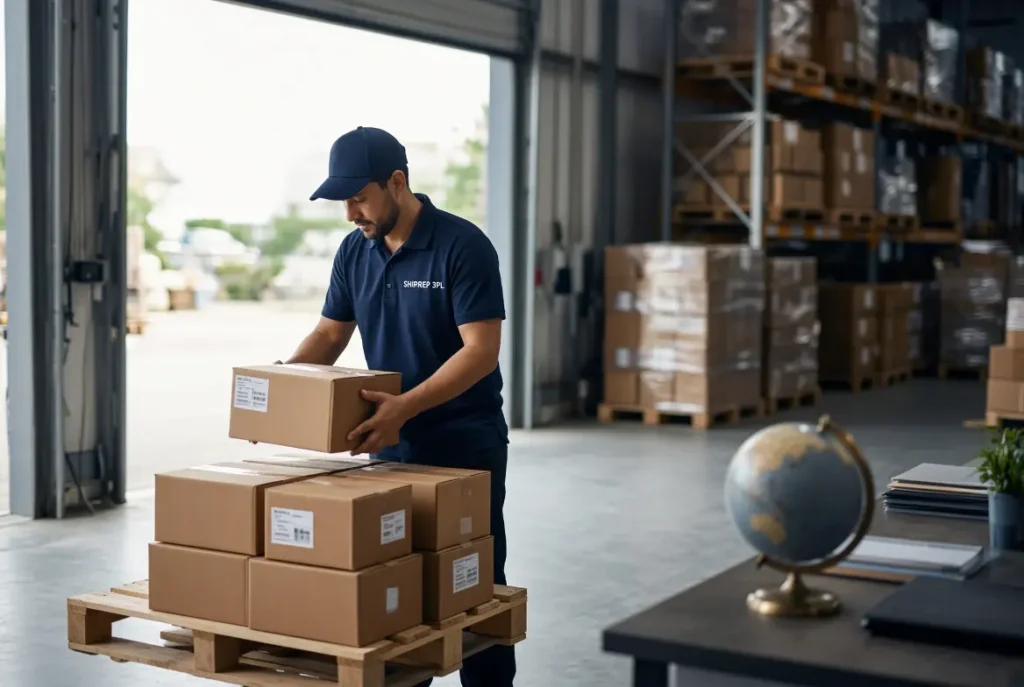
Instead of a customer order triggering an international shipment, it triggers a domestic one. The bulk shipment, pallets or cartons, happens once. After that, every individual order ships at domestic speed from a US address.
The practical shift looks like this: a brand that used to tell customers “arrives in 10 to 20 days” can now tell them “arrives in 3 to 5 days,” without changing a single product.
US Fulfillment for International Brands: Do You Need a US Company First?
This is the most common hesitation, and it’s often based on outdated assumptions.
What’s Actually Required
- A US EIN is commonly needed, and sales tax registration may apply in certain states depending on where sales happen.
What’s Often Not Required
- A US entity isn’t always required. Many international brands work through an importer-of-record arrangement instead.
- A US employee or office isn’t required either. The fulfillment warehouse runs the physical side, while the brand manages everything remotely.
Since requirements shift depending on sales volume and state, it’s worth confirming the specifics with a tax professional before the first shipment.
Setting Up US Fulfillment: What a Real Setup Looks Like
- Choose a US fulfillment partner and confirm it supports the sales channels in use (Amazon, Shopify, Walmart, etc.).
- Ship a bulk shipment of inventory, by freight or through a supplier’s existing shipping arrangement, to the partner’s warehouse.
- The warehouse receives, labels, and preps the inventory to meet each sales channel’s requirements.
- Orders ship domestically as customers buy, with returns processed in the US instead of overseas.
What to Confirm Before Choosing a US Fulfillment Partner
- Does the provider require a US entity, or does it support international brands directly?
- Can it receive bulk shipments from overseas freight or suppliers?
- Which marketplace platforms does it actually support?
- Is there a minimum order quantity, or does a small first shipment work?
- Does it process US-based returns, or only outbound shipping?
- Are there any tax or purchasing advantages specific to international sellers?
That last point matters more than it sounds, since a purchasing tax exemption or credit arrangement can offset costs an international brand wouldn’t otherwise have access to.
Where International Brands Go Wrong
Brands that struggle with US fulfillment for international brands usually hit one of the same few issues. First, they assume a US entity is mandatory and stall for months over it. Then, they pick a provider without confirming channel support. Finally, they don’t ask about returns until a customer actually needs one. Each of these is a five-minute question asked upfront, not a dealbreaker once addressed early.
Shiprep’s US Fulfillment for International Brands
Shiprep operates from a warehouse in Bensalem, Pennsylvania, handling Amazon FBA prep, Walmart WFS prep, Shopify fulfillment, and B2B/B2C order fulfillment for brands entering the US market. In addition, international sellers can access purchasing credit and a Pennsylvania reseller tax exemption, which can reduce costs on US-based purchases. Full service details are on the services page.
No advance payment, no setup fee, and no minimum order quantity apply from the first shipment onward, so testing the US market doesn’t require committing to volume upfront. Read more in the dedicated guide to 3PL prep center services for international sellers, or estimate costs with the pricing calculator.
Get a free quote from Shiprep and see what a first US shipment could look like for your brand.
US Fulfillment for International Brands: A Few Direct Answers
Do I need a US entity to use a US fulfillment partner?
Not always. Many international brands work through an importer-of-record arrangement instead of forming a US company, though a US EIN and state sales tax registration may still apply.
How much faster is this than shipping internationally per order?
Once inventory sits in a US warehouse, individual orders ship at domestic speed, typically a matter of days instead of the one to three weeks common with international shipping.
Can returns be handled in the US instead of overseas?
Yes, when the provider supports it. This is one of the biggest practical advantages for international sellers, since customers don’t need to ship returns abroad.
Does Shiprep require a minimum order for international brands?
No. Shiprep operates with no advance payment, no setup fee, and no minimum order quantity.
For broader guidance on the business steps involved in selling into the US as an international company, see the US Small Business Administration’s guide for foreign entrepreneurs.